

Uncategorized

Blogging for Business
Uncategorized

Blogging for Business: Is It Still Worth It?

Introduction With the rise of social media platforms, video content, podcasts, and AI-generated content, many business owners wonder whether blogging is still relevant in 2026. Some believe that blogs have become outdated, while others continue to use them as a key part of their digital marketing strategy. The truth is that blogging remains one of the most effective ways to attract organic traffic, build authority, and connect with potential customers. While digital marketing trends continue to evolve, high-quality blog content continues to play a crucial role in helping businesses improve their online visibility and generate long-term results. The key is understanding how blogging fits into today’s marketing landscape and how businesses can use it effectively. 1. Why Blogging Remains Relevant in 2026 Despite the growing popularity of short-form videos and social media content, people still turn to search engines when looking for answers, solutions, and information. Blogs provide businesses with an opportunity to address these search queries and offer valuable insights to potential customers. Unlike social media posts that quickly disappear from users’ feeds, blog articles can continue generating traffic and leads for months or even years after they are published. This long-term value makes blogging one of the most sustainable digital marketing strategies available. Businesses that consistently create useful content can establish a strong online presence and remain visible to customers throughout their buying journey. 2. Improving Search Engine Visibility One of the biggest advantages of blogging is its impact on Search Engine Optimization (SEO). Every blog post creates a new opportunity for your website to appear in search engine results. By targeting relevant keywords and answering common customer questions, businesses can attract visitors who are actively searching for information related to their products or services. Search engines favor websites that regularly publish fresh, valuable content, making blogging an important tool for improving rankings. The more high-quality content a website has, the greater its chances of attracting organic traffic from search engines like Google. 3. Establishing Authority and Industry Expertise Consumers are more likely to trust businesses that demonstrate expertise in their field. Blogging allows businesses to showcase their knowledge, share insights, and educate their audience on relevant topics. When readers consistently find valuable information on your website, they begin to view your brand as a trusted source of information. Over time, this credibility can influence purchasing decisions and strengthen your reputation within your industry. A well-maintained blog helps position your business as an authority rather than just another company trying to sell products or services. 4. Building Trust with Potential Customers Trust is a major factor in consumer decision-making. Before making a purchase, many customers research businesses online to learn more about their expertise, reliability, and reputation. Blogs help build trust by providing useful information without immediately asking for a sale. Instead of focusing solely on promotions, businesses can address customer concerns, answer questions, and offer solutions through informative content. This value-first approach helps create positive relationships and encourages potential customers to engage with the brand when they are ready to make a purchasing decision. 5. Supporting the Customer Journey Customers often go through multiple stages before making a purchase. They may first identify a problem, research solutions, compare options, and finally choose a provider. Blog content can support each stage of this journey by providing relevant information that guides customers toward making informed decisions. Educational articles, how-to guides, industry insights, and case studies help nurture potential customers and move them closer to conversion. By addressing customer needs throughout the buying process, businesses can create a more effective marketing funnel. 6. Generating Long-Term Organic Traffic Unlike paid advertising, which stops producing results when the budget runs out, blogs can continue driving traffic long after they are published. A well-optimized blog post can attract visitors for months or even years through search engines. As businesses continue publishing valuable content, they build a library of resources that collectively generate consistent traffic over time. This long-term return on investment makes blogging one of the most cost-effective marketing strategies for businesses of all sizes. 7. Enhancing Content Marketing Efforts Blogging serves as the foundation for many content marketing strategies. A single blog post can be repurposed into social media posts, email newsletters, videos, infographics, and other content formats. This flexibility allows businesses to maximize the value of their content while maintaining consistency across multiple marketing channels. Rather than constantly creating new content from scratch, businesses can leverage blog articles to support broader marketing campaigns. A strong blog strategy helps fuel content creation across an entire digital marketing ecosystem. 8. Creating More Opportunities for Lead Generation Blogs can play a significant role in generating leads and growing customer databases. By providing valuable content, businesses can encourage visitors to subscribe to newsletters, download resources, request consultations, or contact the company directly. Strategically placed calls-to-action within blog posts help convert readers into potential customers. As traffic grows, so do the opportunities to capture leads and nurture them through future marketing efforts. This makes blogging a powerful tool not only for attracting visitors but also for converting them into business opportunities. 9. Common Mistakes Businesses Make with Blogging Many businesses fail to see results from blogging because they approach it incorrectly. Some publish content inconsistently, while others focus solely on promoting products rather than providing value. Common blogging mistakes include: Successful blogging requires patience, consistency, and a commitment to delivering valuable information that genuinely helps readers. 10. How to Make Blogging Work for Your Business To achieve meaningful results, businesses should approach blogging with a clear strategy. Start by identifying your target audience and understanding the questions they are asking online. Focus on creating content that solves problems, answers questions, and provides practical value. Consistently publish high-quality articles, optimize them for search engines, and promote them across your marketing channels. Businesses that treat blogging as a long-term investment rather than a quick marketing tactic are far more likely to achieve sustainable success. Conclusion So, is blogging still worth it for businesses in 2026? The answer

AI digital marketing
Uncategorized

How AI Is Changing Digital Marketing

Introduction Artificial Intelligence (AI digital marketing) is rapidly transforming the way businesses approach digital marketing. What once required hours of manual work can now be accomplished in minutes with the help of AI-powered tools and technologies. From content creation and customer support to data analysis and campaign optimization, AI is helping marketers work more efficiently while delivering better experiences for their audiences. As competition in the digital space continues to grow, businesses are increasingly turning to AI to gain valuable insights, automate repetitive tasks, and make smarter marketing decisions. In 2026, AI is no longer a futuristic concept—it has become an essential part of modern digital marketing strategies. Understanding how AI is changing the industry can help businesses stay competitive and adapt to evolving consumer expectations. 1. Revolutionizing Content Creation Creating high-quality content consistently can be challenging for marketers. AI-powered tools are making this process faster and more efficient by assisting with content ideation, writing, editing, and optimization. Marketers can use AI to generate blog outlines, social media captions, email campaigns, and even video scripts. While human creativity remains essential, AI helps streamline the content creation process, allowing businesses to produce more content without sacrificing quality. This increased efficiency enables marketers to focus on strategy, creativity, and audience engagement rather than spending excessive time on repetitive writing tasks. 2. Enhancing Customer Personalization Modern consumers expect personalized experiences when interacting with brands. AI helps businesses deliver highly relevant content, recommendations, and offers based on customer behavior and preferences. By analyzing data such as browsing history, purchase behavior, and engagement patterns, AI can predict what customers are most likely to be interested in. This allows businesses to create personalized marketing campaigns that resonate with individual users. Personalization not only improves customer satisfaction but also increases engagement, conversions, and long-term loyalty. 3. Improving Data Analysis and Decision-Making Digital marketing generates enormous amounts of data, making it difficult for marketers to identify meaningful insights manually. AI can process and analyze large datasets much faster than humans, helping businesses make informed decisions. AI-powered analytics tools can identify trends, customer behaviors, and performance patterns that may otherwise go unnoticed. These insights enable marketers to optimize campaigns, allocate budgets effectively, and improve overall marketing performance. By transforming raw data into actionable insights, AI helps businesses make smarter and more strategic decisions. 4. Automating Repetitive Marketing Tasks Many marketing activities involve repetitive tasks that consume valuable time and resources. AI-powered automation tools help businesses streamline these processes and improve efficiency. Tasks that can be automated include: Automation allows marketing teams to focus on high-value activities such as strategy development, creativity, and relationship building while maintaining consistent communication with their audience. 5. Transforming Customer Support with AI Chatbots Customer service plays a critical role in the overall customer experience. AI-powered chatbots are helping businesses provide instant support and assistance around the clock. Chatbots can answer frequently asked questions, guide users through websites, assist with product recommendations, and resolve common issues without human intervention. This improves response times and enhances customer satisfaction. While human support remains important for complex situations, AI chatbots help businesses provide efficient and scalable customer service. 6. Optimizing Advertising Campaigns Digital advertising has become more sophisticated thanks to AI. Modern advertising platforms use machine learning algorithms to analyze audience behavior and optimize campaign performance automatically. AI can help businesses: These capabilities allow marketers to maximize their advertising budgets while achieving better results through data-driven optimization. 7. Strengthening Search Engine Optimization (SEO) SEO remains a cornerstone of digital marketing, and AI is playing an increasingly important role in helping businesses improve their search rankings. AI-powered SEO tools can assist with keyword research, content optimization, competitor analysis, and technical SEO audits. They can identify opportunities for improvement and provide recommendations based on search engine trends and user behavior. As search engines continue to evolve, AI helps marketers adapt their SEO strategies and maintain strong online visibility. 8. Predicting Customer Behavior and Market Trends One of AI’s most powerful capabilities is predictive analysis. By examining historical data and behavioral patterns, AI can forecast future customer actions and market trends. This predictive capability allows businesses to anticipate customer needs, identify emerging opportunities, and make proactive marketing decisions. Marketers can use these insights to develop more effective campaigns and stay ahead of competitors. The ability to predict outcomes gives businesses a significant advantage in an increasingly competitive marketplace. 9. Improving Marketing Efficiency and ROI Every business wants to maximize the return on its marketing investment. AI helps achieve this by reducing manual effort, improving targeting accuracy, and enhancing campaign performance. By automating tasks, optimizing processes, and providing actionable insights, AI allows businesses to accomplish more with fewer resources. This increased efficiency often leads to better results and higher profitability. As marketing budgets become more scrutinized, AI provides businesses with tools to improve productivity and generate measurable outcomes. 10. The Future of AI in Digital Marketing AI technology continues to evolve at a rapid pace, and its role in digital marketing is expected to expand even further in the coming years. Emerging developments such as advanced personalization, voice search optimization, predictive customer journeys, and AI-generated multimedia content will reshape how businesses connect with audiences. While AI offers powerful capabilities, it is most effective when combined with human creativity, strategic thinking, and emotional intelligence. The future of digital marketing will likely involve a collaboration between AI-driven efficiency and human-driven innovation. Businesses that embrace this balance will be better positioned to adapt to changing market conditions and customer expectations. Conclusion Artificial Intelligence is transforming digital marketing by making it more efficient, personalized, and data-driven. From content creation and customer support to advertising optimization and predictive analytics, AI is helping businesses improve performance while delivering better experiences to their audiences. As AI technology continues to advance, its influence on digital marketing will only grow stronger. Businesses that understand and adopt AI-powered strategies can gain a competitive advantage, increase efficiency, and create more meaningful connections with customers. In today’s digital landscape, AI is not replacing

Google ranking issues
Uncategorized

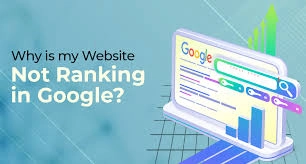
Why Your Website Isn’t Ranking on Google (And How to Fix It)

Introduction Google ranking issues Having a website is essential for any business looking to establish an online presence. However, simply creating a website does not guarantee visibility on search engines. Many business owners invest time and resources into building a website, only to find that it struggles to appear on Google’s search results. This can be frustrating, especially when competitors seem to attract more traffic and leads. The good news is that poor rankings are often caused by common SEO issues that can be identified and fixed. Recognizing the reasons behind your website’s lack of ranking is the initial move towards enhancing its visibility and drawing more organic traffic. In this article, we’ll explore the most common reasons websites fail to rank on Google and the practical solutions to overcome them. 1. Your Website Is New and Lacks Authority One of the most common reasons a website isn’t ranking is simply because it’s new. Google tends to favor websites that have established credibility and a history of providing valuable content. New websites need time to build trust and authority in the eyes of search engines. To improve your website’s authority, focus on consistently publishing high-quality content, earning backlinks from reputable websites, and maintaining a strong online presence. While results may not happen overnight, a consistent SEO strategy will help your website gain authority over time. 2. You’re Targeting the Wrong Keywords Many websites struggle because they target highly competitive keywords or use terms that their audience isn’t actually searching for. If your content isn’t aligned with user search intent, ranking becomes much more difficult. Conduct keyword research to identify relevant search terms with a reasonable balance between search volume and competition. Focus on keywords that directly relate to your products, services, and audience needs. Long-tail keywords often provide better opportunities for newer websites because they face less competition. 3. Your Website Content Lacks Quality and Relevance Google prioritizes content that provides value to users. Thin, outdated, or poorly written content often struggles to rank because it doesn’t effectively answer users’ questions or solve their problems. Creating informative, engaging, and original content can significantly improve your chances of ranking. Each page should have a clear purpose, address a specific topic, and provide useful information that satisfies search intent. Regularly updating content also helps keep it relevant and competitive. 4. Poor On-Page SEO Optimization Even great content may fail to rank if basic on-page SEO elements are missing or poorly optimized. Search engines rely on these elements to understand what a page is about. Important on-page SEO factors include: Ensuring these elements are properly implemented can improve both search engine visibility and user experience. 5. Your Website Loads Too Slowly Website speed plays a crucial role in both user experience and search rankings. Visitors expect pages to load quickly, and slow-loading websites often experience higher bounce rates. Common causes of slow websites include large image files, excessive plugins, poor hosting services, and unoptimized code. Improving website speed through image compression, caching, and performance optimization can positively impact rankings and user satisfaction. 6. Your Website Is Not Mobile-Friendly With the majority of internet users browsing on mobile devices, Google uses mobile-first indexing to evaluate websites. If your website doesn’t provide a seamless mobile experience, it may struggle to rank well. A mobile-friendly website should feature responsive design, easy navigation, readable text, and fast loading times across all devices. Regular testing ensures your site performs effectively for mobile users. 7. Technical SEO Issues Are Holding You Back Technical SEO problems can prevent search engines from properly crawling and indexing your website. Even if your content is excellent, technical errors can significantly impact visibility. Common technical SEO issues include: Conducting regular technical SEO audits helps identify and resolve these issues before they affect your rankings. 8. You Don’t Have Enough High-Quality Backlinks Backlinks remain one of Google’s most important ranking factors. Search engines are given a signal of authority and trust when credible websites connect to your material. However, not all backlinks are beneficial. Quality matters far more than quantity. Focus on earning backlinks through valuable content, guest posting, industry partnerships, and digital PR rather than relying on spammy link-building tactics. 9. You’re Not Consistent with Your SEO Efforts SEO is not a one-time task but an ongoing process. Many website owners expect immediate results and stop optimizing when rankings don’t improve quickly. Successful SEO requires consistent effort, including content creation, keyword optimization, technical maintenance, backlink building, and performance monitoring. Businesses that remain committed to long-term SEO strategies typically see sustainable growth over time. 10. You Aren’t Tracking and Analyzing Performance Without monitoring performance, it’s difficult to understand what’s working and what needs improvement.Analytics tools offer useful information about user behavior, traffic, keyword rankings, and conversion rates. Regularly reviewing data allows businesses to make informed decisions and refine their SEO strategies. Tracking performance helps identify opportunities, fix weaknesses, and maximize results from ongoing optimization efforts. Conclusion Ranking on Google requires more than simply launching a website. Success depends on a combination of quality content, strategic keyword targeting, strong technical SEO, website performance, and consistent optimization efforts. While poor rankings can be discouraging, most issues can be identified and corrected with the right approach. By focusing on user experience, creating valuable content, improving technical performance, and maintaining a long-term SEO strategy, businesses can increase their visibility, attract more organic traffic, and achieve stronger results in search engine rankings. SEO is a continuous journey, but the rewards of improved online visibility and business growth make it well worth the investment. Learn more About Me

Content strategy
Uncategorized

How Storytelling Can Strengthen Your Brand

Introduction Content strategy In today’s competitive digital landscape, businesses need more than quality products and services to stand out. Customers are no longer just buying what a brand sells—they are buying into what a brand represents. This shift has made storytelling one of the most effective tools for building meaningful relationships with audiences. A compelling story helps brands connect emotionally with customers, communicate their values, and create memorable experiences that foster long-term loyalty. When used effectively, storytelling can transform a business from just another option in the market into a brand that people genuinely trust and remember. 1. Understanding the Power of Brand Storytelling Brand storytelling is the art of using narratives to communicate a company’s mission, values, and purpose. Rather than focusing solely on products, storytelling allows businesses to share the journey behind their brand, the problems they aim to solve, and the impact they hope to create. People naturally respond to stories because they are engaging and relatable. A well-crafted story gives customers a reason to connect with a brand beyond its offerings, helping businesses create stronger emotional bonds and differentiate themselves from competitors. 2. Creating Emotional Connections with Your Audience Emotions influence many of the decisions people make, including purchasing decisions. Storytelling allows brands to tap into these emotions by sharing experiences, challenges, successes, and aspirations that resonate with their audience. When customers see their own struggles or goals reflected in a brand’s story, they feel understood. This emotional connection helps build trust and encourages customers to develop a deeper relationship with the brand, making them more likely to choose it over competitors. 3. Making Your Brand More Memorable Consumers are exposed to thousands of marketing messages every day, making it difficult for businesses to capture attention. While facts, statistics, and product features may be forgotten quickly, stories have the power to leave a lasting impression. A memorable story gives customers something meaningful to associate with a brand. Whether it’s the founder’s journey, a customer success story, or a powerful mission, storytelling helps brands stay in the minds of consumers long after they encounter the content. 4. Communicating Your Brand Values Effectively Today’s consumers are increasingly interested in supporting businesses that align with their personal beliefs and values. Storytelling provides an opportunity to demonstrate what your brand stands for in a way that feels authentic and relatable. Instead of simply stating your values, stories allow you to show them in action. Whether your brand focuses on innovation, sustainability, community impact, or customer satisfaction, storytelling helps communicate these principles through real-life examples that audiences can understand and appreciate. 5. Humanizing Your Business and Building Trust Many businesses struggle to appear approachable because customers often view companies as distant organizations rather than groups of people. Storytelling helps humanize a brand by highlighting the individuals behind the business and sharing authentic experiences. When brands openly discuss their journey, challenges, and achievements, they appear more genuine and trustworthy. Customers are more likely to connect with brands that feel human, transparent, and relatable, which ultimately strengthens credibility and trust. 6. Differentiating Your Brand from Competitors In crowded industries, offering a quality product or service is often not enough to stand out. Competitors may offer similar solutions, making it difficult for customers to distinguish between brands. Storytelling gives businesses a unique identity by showcasing their journey, purpose, and personality. While products can be copied, a brand’s story is unique to its experiences and values. This uniqueness helps businesses establish a stronger market position and create a lasting competitive advantage. 7. Encouraging Customer Engagement and Interaction Stories naturally capture attention and encourage participation. Whether shared through blog posts, social media content, videos, or email campaigns, storytelling invites audiences to engage with the brand on a deeper level. Customers are more likely to comment, share, and discuss content that resonates with them emotionally. This increased engagement not only boosts brand visibility but also helps create a sense of community around the brand, fostering stronger relationships with its audience. 8. Strengthening Customer Loyalty and Advocacy Building customer loyalty requires more than delivering a good product or service. Customers remain loyal to brands that make them feel connected and valued. Storytelling plays a key role in creating this connection by reinforcing shared values and experiences. When customers identify with a brand’s story, they are more likely to become repeat buyers and recommend the brand to others. Loyal customers often become brand advocates, sharing their positive experiences and helping attract new customers through word-of-mouth marketing. 9. How to Craft a Compelling Brand Story Creating an effective brand story starts with understanding your purpose and audience. A compelling story should be authentic, relevant, and focused on the people you serve. Instead of trying to impress customers with exaggerated claims, focus on sharing genuine experiences and meaningful insights. An effective brand story should clearly communicate why your business exists, the challenges it has overcome, the values it represents, and the impact it creates for customers. Consistency across all marketing channels is also important to ensure the story remains recognizable and trustworthy. Conclusion Storytelling has become an essential element of successful branding in the digital age. It allows businesses to connect with audiences on an emotional level, communicate their values, build trust, and create memorable experiences that drive long-term growth. By sharing authentic stories and focusing on meaningful connections, brands can differentiate themselves from competitors and foster stronger relationships with customers. In a world where consumers seek authenticity and purpose, storytelling is no longer just a marketing strategy—it’s a powerful way to build a brand that people remember, trust, and support for years to come. Discover my Digital Marketing Services

Scroll to Top